
Earth's Most Horrific Scene
Where Sin Met the Sinless Savior
They Crucified Him
In Luke 23:33 we read, simply and solemnly, “They crucified Him.”
Scripture declares that God is no respecter of persons, and that is true. Yet some also say He is no respecter of places—and there they err. For on this earth there is one spot that surpasses all others in significance to the heart of God. It lies just outside the ancient walls of Jerusalem, a place called Calvary.
No matter which Gospel you read—Matthew, Mark, Luke, or John—they all take you to the same destination: Golgotha, the Place of the Skull. In the mind’s eye, we are transported to the crest of that lonely hill, a place long associated with blood, death, and the end of broken lives.
Here the horror and the glory of six thousand years of human history converged. Hate and love reached their fullest expression at the same moment. Sin rose to its darkest height, while Heaven prepared an altar. The place of execution became the place of sacrifice, and the Lamb of God was laid upon it for sinners.
The Central Cross
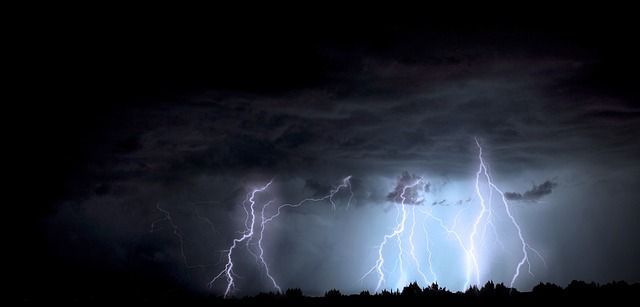
As we ascend that hill in our thoughts, a hostile and bloodthirsty crowd surrounds us. Before us stand three wooden crosses, one towering in the center—prominent against a darkened sky. A sense of awe and dread overtakes the soul, for that is His cross.
Here dies the most perfect man who ever lived. He challenged His accusers, “Which of you convinceth me of sin?”—a question never answered. His lips spoke the greatest truths mankind has ever heard. More lives were healed by His words and touch than by any physician. The blind saw. The deaf heard. The lame walked. The dead lived again at His command.
Soldiers sent to arrest Him returned empty‑handed, saying only, “Never man spake like this man.” His judge declared, “I find no fault in Him.” And yet here He hangs—mangled, mocked, and crucified.
Amid the clamor of cruel voices, one voice rises above the rest:
“Father, forgive them; for they know not what they do.”
Indeed, God was in Christ, reconciling the world unto Himself.
The Mystery of the Incarnation
The incarnation is a profound mystery—one we cannot fully explain, yet must wholeheartedly believe. He who thirsted could still the sea. He who hungered fed multitudes. Jesus existed before His mother; Mary did not give birth to His personality, but to a body prepared for Him. As Hebrews 10:5 declares, “A body hast thou prepared for me.”
He helped create the air His mother breathed, the earth on which she walked, the star that shone at His birth. He formed the trees that became His cradle—and later, His cross.
“When as his mother Mary was espoused to Joseph… she was found with child of the Holy Ghost.” (Matthew 1:18)
What unfathomable depth—God resting in a manger, fleeing to Egypt, walking dusty roads, laboring with calloused hands, sweating blood in Gethsemane, and bearing the lash in Pilate’s hall.
The One who cried, “It is finished,” was none other than incarnate God, dying that men might be saved.
Why He Came
Some say His teachings were His greatest legacy, and indeed they surpass all others. If practiced universally, wars would end and peace would reign. Yet teaching alone was not His mission.
Others point to His example—perfect, selfless, pure—and rightly so. Still, that was not His primary purpose.
Still others point to His works of mercy and healing. These were wondrous, yet incidental to His reason for coming.
So why did He come?
He came to die.
John the Baptist, greatest of prophets, once saw Jesus approaching and declared, “He must increase, but I must decrease.” He could have called Him Messiah, Redeemer, Prince of Peace—but instead cried,
“Behold the Lamb of God, which taketh away the sin of the world.”
The shadow of the cross followed Jesus all His days.
The Cup He Drank
Man is sinful beyond dispute. Scripture and history testify alike. From Eden onward, humanity has left a trail of guilt. “There is not a just man upon the earth, that doeth good, and sinneth not.” And with man’s sin stands God’s perfect holiness. Thus arose the necessity of atonement.
That bitter cup Christ drank held every vile sin mankind has known—violence, cruelty, lust, betrayal, hatred, bloodshed. All was poured into it.
Alone in Gethsemane, while His friends slept, He prayed in agony until His sweat fell like drops of blood. He cried, “Father, if it be possible, let this cup pass from me; nevertheless not my will, but thine be done.”
This was not fear—it was holiness recoiling from sin. Jesus was sinless, yet was about to be made sin for us.
He drank the cup—every drop.
The Silence and the Darkness
He was arrested, mocked, beaten, crowned with thorns, and scourged. He answered nothing. Why add to perfection? The prophets had already spoken:
“He was wounded for our transgressions… by his stripes we are healed.”
Pilate’s wife warned. The governor questioned. A centurion later declared, “Truly this was the Son of God.” Yet still, they crucified Him.
The cross was no ornament. It was the cruelest instrument of death known to man. Isaiah foretold it:
“His visage was so marred more than any man.”
When sin reached its climax and Christ cried, “My God, My God, why hast Thou forsaken Me?” the sun itself withdrew. At noon, darkness fell. Creation recoiled at the sight of its Creator bearing sin.
The Finished Work
How much He suffered we cannot measure. This we know: He drank the cup, conquered death, led captivity captive, rose in victory, and ascended to the Father’s right hand.
There He reigns—King of Kings and Lord of Lords. The keys of death and hell are His. Eternal life rests in His hand.
He is man’s only Savior.
Hallelujah!
The Voice in the Wilderness